Online Islamic studies for kids


Murouj Academy's Islamic studies classes for kids teach children the beliefs, worship, manners and stories of Islam in live one-to-one lessons with native Arab teachers. Lessons use stories, examples and short reviews suited to your child's age. Parents choose the teacher, girls learn with female teachers, and the first class is free.
Islamic Studies for Kids at a glance
- Format
- Live one-to-one online classes. Murouj Academy never runs group classes.
- Who it is for
- Children, from young learners to teens
- Level
- Beginner to advanced, adapted to your child's age
- Lesson length
- 30, 45 or 60 minutes
- Classes per week
- 2, 3, 4 or 5
- Teachers
- Native Arab teachers, including ijazah holders
- Teacher matching
- The parent chooses a male or female teacher; girls always learn with a female teacher
- Outcome
- A child who understands, lives and loves the basics of Islam
- Free trial
- One free trial class with your child's teacher
- Classroom
- A shared whiteboard, slides and videos; your child joins from a link, with nothing to install
Who are the Islamic studies classes for?
The classes are for children, from young learners to teens. Teachers adapt the topics and the lesson length to your child's age, so a young child hears stories and short examples while an older child can go deeper into belief and worship.
Every lesson is one-to-one, with a plain and respectful explanation. You choose your child's teacher, girls are always taught by female teachers, and the first class is a free trial.
Who is this course for?
Young children
Short lessons with stories, pictures and plenty of repetition. Several of our teachers teach children from age 4.
Primary-school children
Children learn the pillars of Islam, how to pray and the stories of the prophets, with a quick review each lesson.
Teens
Teens explore the reasons behind what Muslims believe and do, and can ask the questions they may not ask elsewhere.
Girls
Girls are always taught by a female teacher. For boys, the parent chooses a male or female teacher.
What will you learn?
Your teacher builds a personalized curriculum from the stages below, starting from your level and skipping what you already know.
Beliefs ('aqidah)
- The six pillars of faith
- Who Allah is: His names and attributes, taught simply
- The angels, the revealed books and the messengers
- The Day of Judgement
Worship (fiqh of 'ibadah)
- Purification and wudu
- Salah, step by step
- Fasting in Ramadan
- Zakat and charity
- Hajj and the Islamic calendar
The Prophet ﷺ and the prophets (sirah)
- The life of the Prophet Muhammad ﷺ
- Stories of the prophets from the Quran
- Early Islamic history
Manners and character (akhlaq and adab)
- Honesty, kindness and good character
- Respect for parents and family
- Daily du'as and the manners of eating, greeting and sleeping
The Quran in daily life
- Short surahs and their meanings
- Key verses for daily life
Milestones along the way
- Explain the pillars of faith and the pillars of Islam in their own words
- Make wudu and pray correctly
- Tell the stories of the Prophet Muhammad ﷺ and of other prophets
- Use everyday du'as and Islamic manners at home and at school
- Understand how Islam guides daily life
How fast will you progress?
It depends on the student: your starting point, your age, how many classes you take each week and how much you practice in between. Your teacher sets a personalized plan after the free trial class and reviews it with you as you go, so your milestones fit you rather than a fixed timetable.
What does an Islamic studies lesson for kids look like?
Lessons mix a short explanation, a story or an example, practice and a quick review. A lesson on wudu, for instance, might start with why purity matters, walk through each step on the shared whiteboard and end with your child explaining the steps back. Teachers use PDFs, slides and videos, with regular follow-up between lessons.
For a taste of the topics, read our guides to the rules of Islam and the stories of the prophets.
How do the classes work?
One-to-one, never in a group
Every class is just your child and the teacher, so questions get real answers and lessons move at your child's pace.
A plan for your child's age
The teacher chooses topics, stories and examples for your child's age and level, and adjusts the plan as they grow.
You choose the teacher
You choose your child's teacher, keep them while it is a good fit, and can switch at any time. Matching is never random.
A free trial class first
The first class is a free trial with the teacher, so you and your child can see how lessons work.
Times that suit your family
Every class is set at an hour that suits you, in your own time zone, around school in the US, Canada, the UK or Australia.
Murouj's own online classroom
Lessons use a shared whiteboard along with PDFs, slides and videos, with regular follow-up. There is no account or app to install.
Lessons are 30, 45 or 60 minutes, 2 to 5 times a week; the packages page explains the options. Most students stay with Murouj Academy for more than a year. For class times in your time zone, see our pages for the United States, Canada, the United Kingdom and Australia.
Not sure where to start?
Book a free trial class: your teacher checks your level and suggests a first step.
Who teaches this course?
Every Murouj Academy teacher is a native Arab from the Arab world. Some hold an ijazah, and each profile states which. Many of our teachers studied at or are certified by Al-Azhar. Women and girls are taught by female teachers, adult men by male teachers, and for children the parent chooses. These are some of the teachers who teach this course, with details from their own bios.

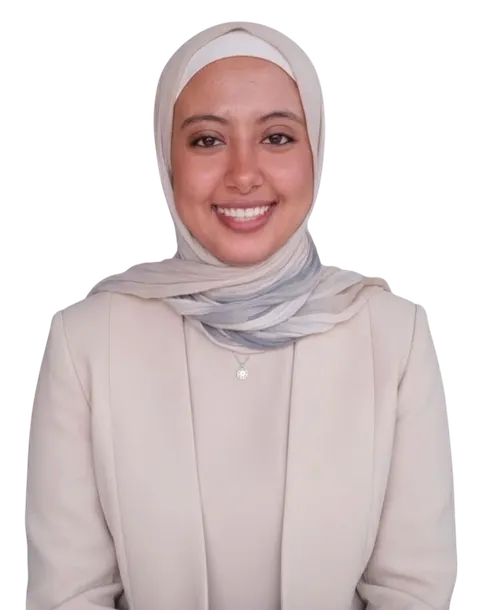
Abrar R.
Female teacher
Al-Azhar University graduate. Teaches Quran, tajweed, Arabic and Islamic studies to children, teens and adults.
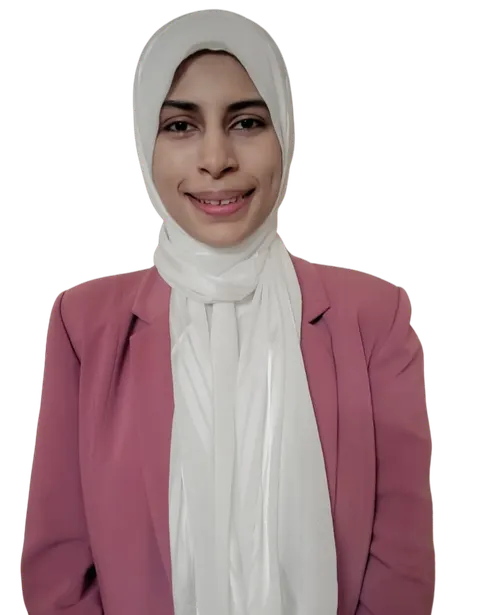
Salma S.
Female teacher
Has memorized the whole Quran and studied tajweed at Al-Azhar University. Dedicated to teaching women and children.
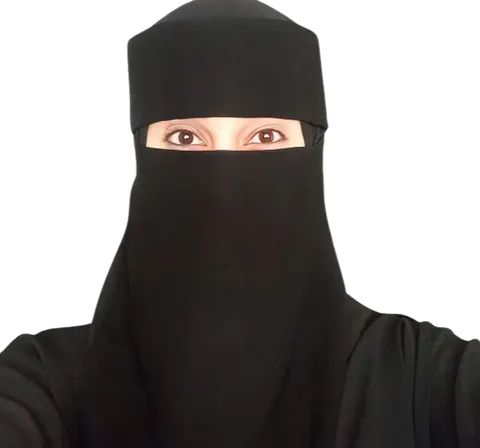
Soha A.
Female teacher
Certified in the Qaidah, tajweed for non-Arabic speakers and Islamic studies. Teaches all levels, from the Qaidah up.
Amani M.
Female teacher
Ijazah in Quran recitation (Hafs 'an 'Asim) and ijazahs in Matn al-Jazariyyah and Tuhfat al-Atfal. Teaches Quran, tajweed and Islamic studies.

Mohammad S.
Male teacher
Bachelor's degree in Islamic Studies from Al-Azhar University. Has memorized the whole Quran and teaches non-Arabic speakers from the basics up.


Meet all our teachers and read their full bios, then choose the one you would like for your free trial class.
How do one-to-one classes with a native Arab teacher compare?
Group classes and teachers who learned Arabic later both help many students. Murouj Academy chooses one-to-one classes and native Arab teachers so that every student gets a teacher's full attention and hears the Quran's language from someone who has spoken it since childhood.
| One-to-one at Murouj Academy | A group class | |
|---|---|---|
| Attention | The whole lesson is yours, and the teacher hears every letter you recite | Lesson time is shared between several students |
| Pace | Set by you: you move on when you are ready | Set for the group as a whole |
| Curriculum | A personalized plan built around your level and goals | One syllabus for the whole class |
| Schedule | An hour that suits you, in your own time zone | A fixed timetable |
| Teacher | You choose your teacher and can switch at any time | Usually comes with the class |
| Comfort | Women and girls with a female teacher, men with a male teacher, one to one | Depends on how the class is run |
| Murouj Academy's native Arab teachers | Teachers who learned Arabic later | |
|---|---|---|
| Pronunciation | The sounds of Arabic, modeled as a first-language speaker says them every day | The sounds of Arabic, learned through study and practice |
| Meaning | Explanations that draw on everyday use of Arabic | Explanations that draw on formal study of Arabic |
| Qualification | Some Murouj teachers hold an ijazah; each profile states it | Varies by teacher and academy |
What do students say?
Students and parents describe their classes in their own words on our student reviews page.
Frequently asked questions
What do kids learn in Islamic studies?
Belief ('aqidah), worship such as wudu, salah and fasting, the life of the Prophet Muhammad ﷺ and the stories of the prophets, manners and character, and short surahs with their meanings. The teacher picks the topics for your child's age.
What age is the course for?
The course is for children, from young learners to teens. Teachers adapt the topics and the lesson length to your child's age, and several teach children from age 4.
Can I choose my child's teacher, and change later?
Yes. You choose your child's teacher from our teacher profiles, keep them while it is a good fit, and can switch at any time. Matching is never random.
Will my daughter have a female teacher?
Yes. Girls at Murouj Academy are always taught by female teachers. For boys, the parent chooses a male or female teacher.
Who teaches Islamic studies for kids?
Native Arab teachers, including ijazah holders. Abrar R. is an Al-Azhar University graduate who teaches children, and Mohammad S. holds a bachelor's degree in Islamic Studies from Al-Azhar University.
Does my child need to install anything?
No. Classes run in Murouj Academy's own online classroom, which opens from a link on a phone, tablet or computer, with no account or app to install.
How long does the course last?
There is no fixed end date. Islamic studies grows with your child, and the teacher sets a personal plan and reviews it with you as your child progresses.
Is the first class free?
Yes. The first class is a free trial with the teacher, so you can see how lessons work before you choose a package.
More answers about classes, teachers and the free trial are on our Murouj Academy facts page.
Keep exploring
Free guides
- Rules of Islam: Five Pillars, Beliefs and Daily Practice
- Islamic Stories of Prophets: Lessons for Families
- Sunnah Prayers in Islam: Meaning and Prayer Guide
- Muslim Festivals: The Two Eids and Other Special Days
- Importance of Parents in Islam: Rights and Duties
- Origin of Islam: When and Where Did Islam Begin?
- How to Pray Taraweeh at Home: Step by Step
- Zakat al-Fitr: Meaning, Amount and When to Pay
Classes for your family
Ready to begin?
Your free trial class is with the teacher you choose. Women and girls always learn with female teachers, and you can switch teacher at any time.