Arabic classes for kids online
Murouj Academy's Arabic for kids course teaches children aged 4 and over to read, write and speak Arabic through playful, age-appropriate lessons. Classes are live and one-to-one with a native Arabic speaker, never recorded. Female teachers teach girls and boys aged 4 to 12, and the first class is free.


Arabic for Kids at a glance
- Format
- Live, one-to-one, online; never recorded
- Who it's for
- Children from age 4
- Suitable for ages
- Early kids (4 to 8), Kids (9 to 12) and Teens (13 to 17)
- Focus
- Reading, writing, vocabulary and simple conversation
- Starting point
- No Arabic needed; your child starts with the letters and sounds
- Schedule
- 30, 45 or 60 minutes; 2 to 5 classes a week
- Teachers
- Native Arabic speakers
- Teacher matching
- Female teachers teach girls, and boys aged 4 to 12; Murouj matches a suitable available teacher
- Style
- Playful and age-appropriate, with short activities and quick reviews
- Outcome
- A child who reads simple Arabic, knows everyday words and can say short sentences
- Classroom
- Live, with a shared whiteboard, slides and videos; never recorded
What do kids learn in Arabic classes online?
Reading, writing, vocabulary and simple conversation. A child starts with the letters and their sounds, then reads and writes words, builds everyday vocabulary and practices short greetings and answers.
Lessons are playful and age-appropriate, in live one-to-one classes for children from age 4. Female teachers teach girls and boys aged 4 to 12. The first class is a free trial.
Arabic for kids, Qaida or Quranic Arabic: which one?
They are different goals. Your child's teacher confirms the right start in the free trial class.
| Course | The question | Your child leaves with |
|---|---|---|
| Arabic for Kids | How do I read, write and speak Arabic? | Reading, writing, vocabulary and simple conversation |
| Qaida Classes | How do I read the Quran's letters? | The ability to read Arabic letters and words for the Quran |
| Quranic Arabic | What do the Quran's words mean? | Understanding of short Quranic words and sentences |
Many children combine them: the Qaida for reading the Quran, Quranic Arabic for its meaning, and Arabic for kids for the language. For older learners, see Learn Arabic Online.
Who is this course for?
Young children (4 to 8)
Letters, sounds and first words through pictures, games and repetition, in short lessons.
Primary-school children (9 to 12)
Reading and writing words and sentences, a growing vocabulary and first conversations.
Children who speak Arabic at home
Add reading and writing to the Arabic your child already hears.
Children learning Arabic from zero
No earlier Arabic needed. Your child's teacher starts with the alphabet.
What will you learn?
Your teacher builds a personalized curriculum from these stages, starting from your level.
Letters and sounds
- The Arabic alphabet and its sounds
- Short vowels and joining letters
Reading and writing
- Reading simple words and short sentences
- Writing letters, words and short phrases
Vocabulary
- Everyday words: family, home, school, colours and numbers
- Words your child can use straight away
Simple conversation
- Greetings and introductions
- Short questions and answers
Milestones along the way
- Recognize and say the Arabic letters
- Read simple Arabic words aloud
- Write letters and short words
- Use everyday words for family, home and school
- Say short greetings and answers in Arabic
How fast you progress depends on your starting point, age, weekly classes and practice. Your teacher sets a plan after the free trial class and reviews it with you.
What does a playful Arabic lesson for kids look like?
A lesson mixes a short explanation, a game or picture activity, practice and a quick review. The youngest children get shorter lessons and more repetition. A child who speaks Arabic at home can add reading and writing to what they already hear. See the Arabic alphabet and its sounds and teaching Arabic to kids.
How do the classes work?
One-to-one, never in a group
You ask questions and get real answers, and nobody shares your time.
A plan built around you
Topics, games and pace are chosen for your child's age and level, and adjusted as they grow.
Matched for you
Murouj matches a suitable available teacher for your free trial class and switches if the fit is not right. Never random.
Zoom, Google Meet or Halqora
Live in your time zone on Zoom, Google Meet or Halqora, Murouj's classroom software. Never recorded.
Lessons are 30, 45 or 60 minutes, with the number a week agreed when you book (see the class plans page). For times in your time zone, see our pages for the United States, Canada, the United Kingdom, Germany, the Netherlands and Australia.
Not sure where to start?
Book a free trial class: your teacher checks your level and suggests a first step.
Meet some of our teachers
Every teacher is a native Arab and teaches live online. Murouj matches you with a suitable teacher for the free trial class: female teachers for women and girls, male teachers for men.

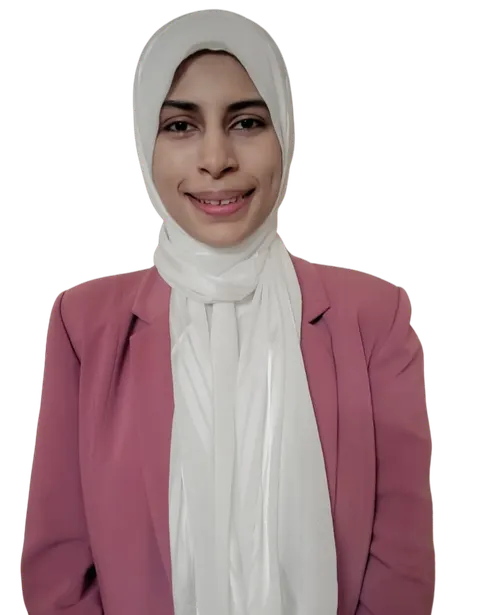
Abrar R.
Female teacher
Al-Azhar University graduate. Teaches Quran, tajweed, Arabic and Islamic studies to children, teens and adults.
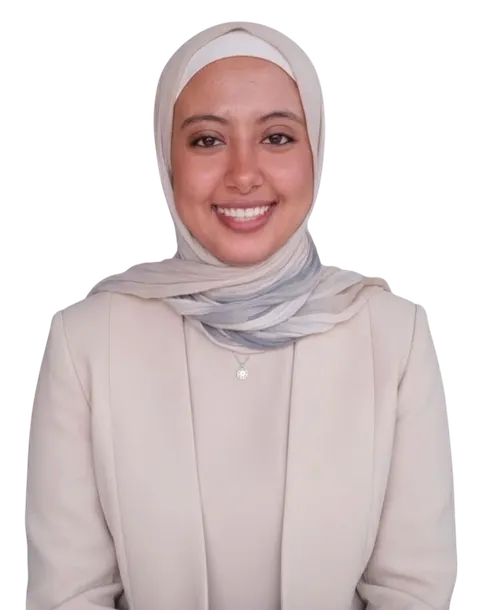
Soha A.
Female teacher
Certified in the Qaidah, tajweed for non-Arabic speakers and Islamic studies. Teaches all levels, from the Qaidah up.
Salma S.
Female teacher
Has memorized the whole Quran and studied tajweed at Al-Azhar University. Dedicated to teaching women and children.

Noha A.
Female teacher
Ijazah in Quran recitation from a qualified shaykh. Has memorized the whole Quran and trained to teach the Nour Al-Bayan Qaidah.


Why one-to-one with a native Arab teacher?
- Your whole lesson. The teacher hears every letter you recite, and nobody shares your time.
- Your pace and plan. A personalized curriculum built around your level, goals and time zone.
- A native Arab teacher. Arabic sounds modeled as a first-language speaker says them. Each profile states the teacher's own studies and ijazah, if any.
- Privacy and comfort. Women and girls learn with female teachers, and men with male teachers.
Read what students and parents say on our reviews page.
Keep exploring
Free guides
Classes for your family
Questions
Frequently asked questions
Answers about classes, teachers and the free trial. More on our facts page.
Ask us on WhatsAppWhat do kids learn in Arabic classes online?
Reading, writing, vocabulary and simple conversation: the letters and sounds first, then words and sentences, everyday vocabulary and short greetings and answers.
What age can my child start learning Arabic?
From age 4. Lessons for the youngest are short, playful and built around pictures, games and repetition.
Does my child need to know any Arabic?
No. If your child cannot read the letters yet, the teacher starts with the alphabet and the sounds.
Who is the Arabic teacher for kids online?
A native Arabic speaker, live and one-to-one. Female teachers teach girls and boys aged 4 to 12. Murouj matches a suitable available teacher for your child's free trial class.
How is my child's teacher matched?
Murouj matches a suitable available teacher for the free trial class and switches if the fit is not right. After that your child continues with that teacher. Murouj makes the match, and it is never random.
How is this different from Qaida classes?
The Qaida teaches your child to read the Arabic of the Quran, letter by letter. Arabic for kids teaches the language: reading, writing, vocabulary and conversation. Many children take both.
Is this Quranic Arabic?
No. This course teaches Arabic as a language for children. Our Quranic Arabic course helps students understand the words and sentences of the Quran.
Are the classes live or recorded?
Live and one-to-one, on Zoom, Google Meet or Halqora, Murouj's classroom software. They are never recorded, and your child never shares the lesson with a group.
How long does the course last?
There is no fixed end date. It grows with your child, and the teacher sets a personal plan and reviews it with you.
Is the first class free?
Yes, a free trial with the teacher, before you choose a package.
Ready to begin?
Your free trial class is with a teacher Murouj matches to you, and if the fit is not right, Murouj switches to another teacher. Women and girls always learn with female teachers.